
Understanding The Peptide Craze
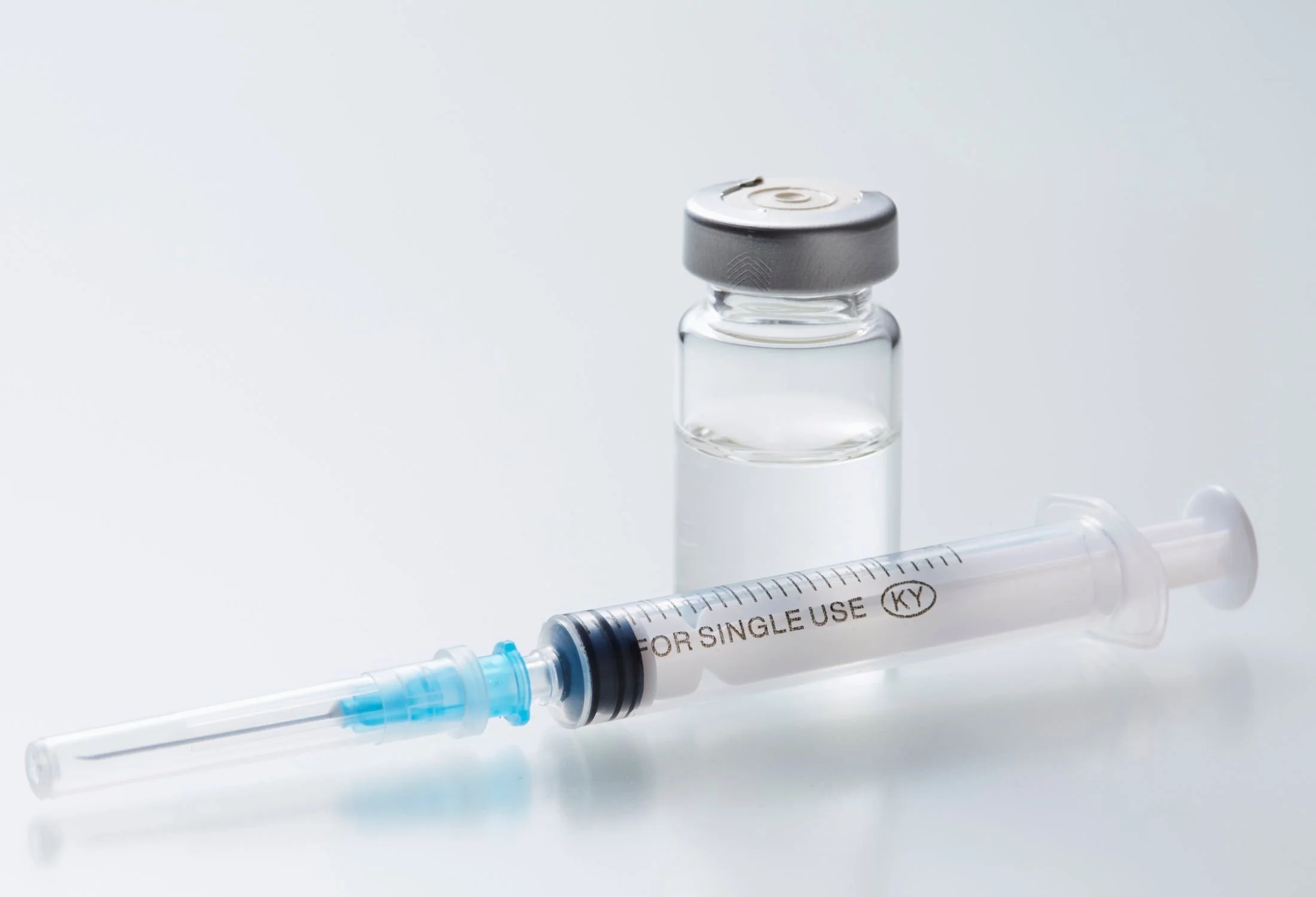
It is important to know that not all peptides are the same: "peptide" is big category and different kinds of peptides have very different effects.
I'm getting a lot of questions about peptides these days, so I wanted to pass on an article that I found helpful by physician and author Dr Eric Topol: https://erictopol.substack.com/p/the-peptide-craze
The article does a nice job of explaining just what a peptide is, and reviews some of the concerns that arise when any substance goes from being used for specific clinical indications, to being widely used across a wide swath of the population. Though clinical research is a slow process and doesn't seem very hot these days, I'm still a big fan.
Not all peptides are the same.
One of the important points raised in this article, and that I frequently try to explain to my patients, is that not all peptides are the same: "peptide" is big category and different kinds of peptides have very different effects. Some peptides have clear and proven benefits, especially for certain populations. For example, GLP-1 receptor agonists (like Mounjaro and Ozempic) help individuals with diabetes control their blood sugar. They also reduce their risk of heart failure and may be the best pharmacologic option for metabolic associated fatty liver disease.
Other peptides have a much smaller pool of data. Their use is based on inference, supposition, or hope. That's in the best case- there is also a huge financial gain for people dispensing these products, which always raises a red flag, or at least the yellow "caution, slow down". The category of peptide I'm most concerned about being used inappropriately are growth hormones, because growth hormones can "grow" things that we don't want, like cancer or blood vessels. For example, insulin is a peptide with very clear clinical indications that has been rigorously studied for decades. While it can save the life of someone with Type 1 or Type 2 diabetes, high levels of insulin are associated with liver, breast, endometrial, pancreatic and colorectal cancers. Insulin, like any other powerful medication, must be used appropriately and with discernment.
I am not by any means discouraging the proper use of insulin, or any other peptide hormone that has been carefully studied and tracked over time. My point here is to underline that peptide hormones are powerful and have side effects along with their clinical benefits. It is extremely important to understand the mechanism of the peptide being considered, and weigh all of the purported benefits, risks, and side effects. This calculus will likely be different for each individual.
So let's not ask "Are peptides good?" Peptides are too big a category to lump as simply "good" or "bad." Instead, let's take the time to carefully consider our health needs and goals, and look at all available treatment options: meds along with diet, movement, social connectedness, sleep, stress reduction, and meaning making.
Please feel free to reach out to us with your thoughts and questions.
Have a happy and healthy New Year!
